Kitchen Design

Designing the Heart of the Home: What an Interior Designer Does When Creating a Luxury Kitchen
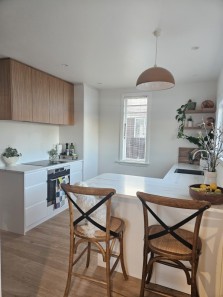
The kitchen is the true heart of a home — a space where beauty meets purpose and everyday living blends seamlessly with exceptional design. For homeowners seeking a kitchen that feels both luxurious and deeply personal, working with an interior designer can transform the process into something inspiring, organised, and truly bespoke.
Designing a kitchen involves far more than choosing cabinetry and colour schemes. It’s about crafting a space that enhances how you live, while reflecting your individual sense of style. Here’s what goes into that process.
Understanding How You Live
Every beautiful kitchen begins with understanding lifestyle. Before any design work begins, the first step is to explore how you use your kitchen day to day.
Key questions might include:
- Do you enjoy cooking regularly, or do you prefer to entertain guests?
- How often do you host family gatherings or dinner parties?
- Do you like to keep appliances visible or hidden for a sleek look?
- What moments matter most to you — morning coffee, relaxed evenings, or lively weekends?
This insight shapes the design so that the final kitchen not only looks exceptional but functions perfectly for your daily routine.
Space Planning and Flow
Luxury kitchen design is all about balance — a seamless flow between functionality and aesthetics. Interior designers plan layouts carefully to create a natural rhythm and ease of movement.
Considerations include:
- Ergonomics: Arranging features for comfort and efficiency.
- The Working Triangle: Positioning the sink, hob, and fridge for optimal use.
- Zoning: Creating dedicated areas for cooking, prepping, cleaning, and entertaining.
- Proportion and Scale: Ensuring harmony between cabinetry, appliances, and architecture.
When planned with precision, the kitchen becomes effortless to use — a space that feels both beautiful and intuitive.
Materials, Finishes, and Craftsmanship
The tactile quality of materials is what gives a luxury kitchen its personality. A designer’s role is to help curate finishes that balance beauty with practicality.
This might include:
- Cabinetry finishes that express your style — from natural timber to sleek lacquer.
- Benchtops made from elegant stone, quartzite, or porcelain.
- Flooring and splashbacks chosen for texture, durability, and light reflection.
- Hardware and fittings that tie the scheme together through subtle detail.
Every element should complement the next, resulting in a space that feels considered and cohesive.
Lighting and Atmosphere
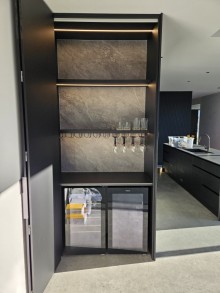
Lighting defines mood. In kitchen design, it’s about layering different sources of light to create both functionality and ambience.
A thoughtful lighting plan might include:
- Task lighting for precise food preparation.
- Ambient lighting for soft, even illumination.
- Accent lighting to highlight materials or architectural features.
When combined effectively, lighting transforms the kitchen from a purely practical space into one that feels warm, elegant, and inviting.
Bringing It All Together
Designing a kitchen is a collaborative process that involves creativity, technical & product knowledge, and careful coordination. An interior designer’s role is to guide each stage — from initial concept and layout planning to material selection and finishing touches — ensuring every decision contributes to a cohesive vision.
The result is a kitchen that feels tailored, luxurious, and completely aligned with your lifestyle. It reflects your personality, fits your home and is truly unique and bespoke.
Final Thoughts
For homeowners seeking a bespoke, high-end kitchen, partnering with me is the first step toward creating a space that is as functional as it is inspiring.
Contact me now for a consultation.